Earth Notes
Earth Notes is made for reading on screen, so it doesn’t print.
Thank you for reading. Plumtree Publishing
PlumtreePUBLISHING

Earth Notes

Our Earth, our future

SAMPLE ISSUE

QUESTIONS & ANSWERS ↓

SEPTEMBER 2026 · SAMPLE ISSUE
SENT 1 SEPTEMBER 2026
NEWS FROM AUGUST · ALMANAC FOR SEPTEMBER

Earth Notes

Our Earth, our future
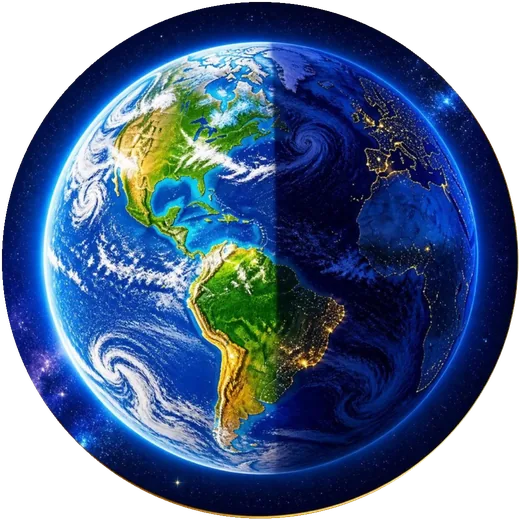
The Earth, half in daylight and half in night, for the equinox

The Earth as the Sun lights it at the September equinox: day and night are equal all over the world.

PLUMTREE PUBLISHING
EARTH NOTES · SEPTEMBER 2026 · SAMPLE ISSUE

In this issue

A sample issue with every section, so you can see what Earth Notes holds. Turn the page, or use the arrows below.

  1. Green ShootsGreening the Earth
    3
  2. Wild TidingsWildlife on the move
    6
  3. Ebb & FlowSeas, rivers, ice and rain
    10
  4. Bloom & SporePlants and fungi
    13
  5. Stone & SoilThe land beneath our feet
    15
  6. Wind & WeatherSkies, seasons and climate
    16
  7. Sun, Wind & WaveClean power from nature
    17
  8. Home & HabitatTowns and homes with room for nature
    20
  9. Nature AlmanacThe month ahead, worldwide
    21
  10. Moon & MeadowFolklore from around the world
    23
  11. Hearth & HarvestFood of the season, worldwide
    25
  12. Root & BranchThis month’s fact sheet
    27
  13. Lend a HandThings you can do
    31
  14. Over to YouYour letters, sayings and sightings
    32
  15. Sources & ResourcesWhere it came from, and more to explore
    33
2
EARTH NOTES · SEPTEMBER 2026

Green Shoots

Greening the Earth
THIS MONTH’S FEATURE
WORLDWIDE

Thirty by thirty is still within reach

In 2022 the world agreed to protect 30 per cent of its land and sea by 2030. A new global check, published on 23 September, finds the target can still be met if countries keep their promises. About a fifth of the land is protected now. The sea is lagging, at about a tenth, so that is where the push must go.

Read more: Together for the Ocean →
ENGLAND

A moor set free

In Northumberland, 7,500 acres of Emblehope Moor have been bought for nature. The hope is to bring back golden eagles, curlews, black grouse and beavers to land that was drained and grazed by sheep for generations. Curlews, with their long curved bills, have become rare across Britain.

Read more: BirdGuides →
3
Green Shoots
INDONESIA

Guarding the peat

On 24 September Indonesia announced a new national agency to look after its peatlands and mangroves and to stop forest fires before they start, with mapping, early warning and village fire teams. Drained peat burns easily, and the smoke can fill the skies across South-East Asia.

Read more: Cabinet Secretariat of Indonesia →
THE PHILIPPINES

Forty-five thousand native trees

On the island of Leyte in the Philippines, the environment department is planting 45,000 native trees to bring back forest cover and help hold the hillsides together in heavy rain.

Read more: Daily Tribune →
WHY NATIVE TREES?

Native trees are the kinds that grew in a place naturally. They suit the local soil and weather, and the local insects, birds and animals already know how to live with them.

WHAT IS PEAT?

Peat is soil made of plants that died in waterlogged ground and never fully rotted. It builds up by only about a millimetre a year, yet the world’s peatlands hold about twice as much carbon as all its forests.

4
Green Shoots
USA

A forest that came back

In the 1800s, logging and fire stripped the forests of Marinette County in Wisconsin. Today trees cover four-fifths of the county again, and its own county forest, one of the first in the state, spreads over more than 230,000 acres. Over half its rivers and streams are now rated outstanding or exceptional.

Read more: Resilience →
USA

Trees to remember

On 9 September, a willow oak was planted in Battery Park, New York: the first of 3,000 trees across the United States, one for each person lost on 11 September 2001.

Read more: Good Good Good →
HOW BIG IS AN ACRE?

An acre is a little smaller than a football pitch. So 230,000 acres is about 930 square kilometres: more than five times the size of Washington DC.

GOOD NEWS TRAVELS

Seen some good news for nature where you live? Send it to us at hello@plumtreepublishing.store and it may appear here.

5
EARTH NOTES · SEPTEMBER 2026

Wild Tidings

Wildlife on the move
ALASKA TO NEW ZEALAND

The longest flight

From Alaska, bar-tailed godwits are setting off for New Zealand and Australia: one of the longest non-stop journeys of any bird. In 2022 a young godwit flew 13,560 kilometres in 11 days without landing once.

Read more: Guinness World Records →
KENYA AND TANZANIA

Crossing the Mara

In East Africa the great herds of wildebeest and zebra are crossing the Mara River between Tanzania and Kenya, following the rains to fresh grass, as they do each year from about July to October.

Read more: National Geographic →
DID YOU KNOW?

Before setting off, a godwit eats until about half its weight is fat, then shrinks its stomach and gut so it can fly lighter. It does not stop to eat or drink on the way.

6
Wild Tidings
AUSTRALIA

Mothers and calves heading south

Off Australia’s east coast, humpback whales are turning south again, many with calves born in the warm waters of the north this winter. Until about November they can be seen from headlands as they head for feeding grounds near Antarctica.

Read more: Australian Government →
KAZAKHSTAN

A tiger called Hope

In Kazakhstan, a young Amur tiger named Umit, meaning “hope”, has been released into the Ile-Balkhash Nature Reserve: the first tiger set free there in around 70 years, where tigers had died out completely.

Read more: Global Rewilding Alliance →
LOOK OUT FOR

Wherever you are, September is a month of movement: birds gathering in flocks, insects feeding up, and the first arrivals or departures of the season.

WHY AN AMUR TIGER?

Kazakhstan’s own Caspian tigers died out last century. Their closest living relatives are Amur tigers, so they were chosen to bring tigers back.

7
Wild Tidings
BOLIVIA

A new wild cat

Scientists have named the first new species of wild cat in more than a hundred years: the Tilcayo tiger cat, Leopardus tilcayo, from the misty Yungas cloud forests of the Bolivian Andes. Spotted like a tiny leopard, with rounded ears, it is a little smaller than a house cat.

Read more: CBS News →
NEW ZEALAND

Ninety chicks for the kākāpō

New Zealand’s kākāpō, the world’s heaviest parrot, has had a record season: 90 chicks, taking the population to 325, the most in 75 years. In 1995 there were just 51.

Read more: NZ Department of Conservation →
USA

The bears come back

Black bears are thriving again in the southern United States. In Arkansas, where only 40 to 50 were left, there are now about 5,000.

Read more: Good Good Good →
WHAT’S IN A NAME?

Kākāpō is a Māori name: kākā means parrot and pō means night. The kākāpō feeds at night and cannot fly, so it climbs trees instead.

8
Wild Tidings
KENYA

A plan for the mountain bongo

On 23 September Kenya launched a five-year plan for the mountain bongo, a shy, striped forest antelope that lives wild only in Kenya and is critically endangered. The aim: half as many again by 2030, and 750 living wild by 2075.

Read more: fundsforNGOs News →
USA

Bees and birds love solar farms

Solar farms with wild flowers underneath are becoming havens. In Minnesota a five-year study found twenty times as many native bees, and another US study nearly twice as many kinds of grassland bird as in nearby fields.

Read more: EcoPortal →
MEXICO

Three thousand turtles to the sea

On 30 August, a turtle charity in Veracruz, Mexico, released over 3,200 baby sea turtles into the Gulf from nests it had kept safe.

Read more: Good Good Good →
ECUADOR

River turtles go home

In the Ecuadorian Amazon, seven Siekopai women kept 235 river turtle eggs safe and released 208 hatchlings into the Aguarico River.

Read more: Mongabay →
9
EARTH NOTES · SEPTEMBER 2026

Ebb & Flow

Seas, rivers, ice and rain
PACIFIC OCEAN

Lessons from a nearly pristine reef

On Palmyra Atoll, a wildlife refuge about 1,000 miles south of Hawaii where fishing is not allowed, coral reefs bleached in the heat of 2023 are recovering, with baby corals appearing within three years. Scientists say three things help: plenty of grazing fish such as parrotfish, pink coralline algae holding space for young corals, and a healthy number of predators.

Read more: NPR →
THE OPEN OCEAN

A treaty for the high seas

The high seas, the open ocean beyond any country’s waters, cover nearly half the planet. On 23 September the High Seas Treaty, the first law to protect life out there, reached 100 countries. Its first meeting, in January, can begin to set up great ocean sanctuaries.

Read more: High Seas Alliance →
10
Ebb & Flow
SPAIN

Twenty-three new havens at sea

Spain’s consultation on 23 new marine protected areas closed on 15 September. Covering 22,000 square kilometres, mostly round the Canary Islands, they would shelter seagrass, sea turtles and coral forests.

Read more: Oceana Europe →
CALIFORNIA, USA

A river and its forest go home

The Yurok Nation has completed the return of the Blue Creek watershed, 19,000 hectares of coastal rainforest by the Klamath River: California’s largest land-back conservation deal. Blue Creek is the salmon’s first cool refuge on a river freed when its four great dams came down.

Read more: Mongabay via Resilience →
CALIFORNIA, USA

The salmon find their way

Since the dams came down, more than 20,000 chinook salmon have swum up the Klamath, reaching about nine-tenths of their old range.

Read more: Inside Climate News →
WHAT IS “LAND BACK”?

Returning land to the Indigenous peoples who cared for it first, so they can look after it again in their own way.

11
Ebb & Flow
WORLDWIDE

Big tides at the equinox

The highest spring tides of the year often come around the equinoxes, when the Sun lies over the equator and lines up its pull with the Moon’s. On coasts everywhere, watch for unusually high and low water in the days after the full and new moons.

Read more: National Oceanography Centre →
WHAT IS A SPRING TIDE?

Nothing to do with the season: a spring tide is one that “springs up” higher than usual. It comes twice a month, near the new and full moons, when the Sun and Moon pull in line.

DID YOU KNOW?

About 97 per cent of the Earth’s water is salty sea, and most fresh water is frozen in ice or hidden underground. The world’s lakes, rivers and streams together hold less than one hundredth of one per cent.

12
EARTH NOTES · SEPTEMBER 2026

Bloom & Spore

Plants and fungi
THAILAND

The devil flower

Botanists in western Thailand have described a new plant, Thismia daemona, in Thong Pha Phum National Park. It has no green leaves at all: it lives on fungi underground and pushes up a small black flower with horn-like tips and two reddish “eyes”. Fewer than 50 are known.

Read more: ScienceDaily →
SOUTHERN HEMISPHERE

Spring flowers in the south

In South Africa and Western Australia, September is wildflower month. After the winter rains, daisies and everlastings carpet the ground in bright sheets of orange, yellow and pink.

Read more: SANParks →
WHAT IS AN EVERLASTING?

A daisy with dry, papery petals that keep their colour long after the flower is picked, which is how it got its name.

13
Bloom & Spore
NORTHERN HEMISPHERE

Fungi after the rain

In the north, the first cool, damp nights bring fungi up through grass and leaf litter. What we see is only the fruit: the real fungus is a web of fine threads running through soil and wood, often linking the roots of trees and passing water and food between them.

Read more: The Wildlife Trusts →
AUSTRALIA

Back to the earth

In September Australia held its first burial in a coffin grown from mushroom roots. Made from mycelium and hemp, it breaks down in about 45 days and feeds the soil around it.

Read more: 1News →
LOOK CLOSER

Turn a fallen mushroom over and look underneath the cap. Some have thin gills like the pages of a book, some have tiny holes like a sponge, and some have soft teeth. Each kind has its own pattern.

WHAT IS MYCELIUM?

Mycelium is the main body of a fungus: a mass of fine threads that grows through soil, wood and leaves. A mushroom is just the part that pops up to spread its spores.

14
EARTH NOTES · SEPTEMBER 2026

Stone & Soil

The land beneath our feet
WORLDWIDE

Slow, slow ground

Soil is made as rock breaks down and living things add to it, and it is made very slowly. The UN’s Food and Agriculture Organization says that it can take more than 1,000 years to form a single centimetre of soil.

Read more: UN FAO →

Alive underfoot

Healthy soil is full of life: fungi, bacteria, worms, mites and tiny insects, all breaking down dead leaves and turning them back into food for plants. A single teaspoon of healthy soil holds more living things than there are people on Earth.

Read more: UN FAO →
TRY THIS

Lay a plank or flat stone on bare ground and lift it a week later. Count the creatures you find underneath, then put it back gently.

15
EARTH NOTES · SEPTEMBER 2026

Wind & Weather

Skies, seasons and climate
WORLDWIDE

Storm season at its height

The Atlantic hurricane season peaks around 10 September, when the ocean is warmest, and in mid-September India’s summer monsoon, the seasonal wind that brings the rains, begins to withdraw.

Read more: NOAA →

Day and night in balance

At the equinox on 23 September, day and night are close to equal all over the world. Autumn begins in the north and spring in the south.

Read more: Royal Museums Greenwich →
KEEP A SKY DIARY

Each evening this month, note the time of sunset. You will see it come earlier in the north, and later in the south, by a few minutes every few days. In London, sunset comes more than an hour earlier by the end of the month.

16
EARTH NOTES · SEPTEMBER 2026

Sun, Wind & Wave

Clean power from nature
CHINA

The Sun overtakes coal in China

By the end of July, China had more solar power built than coal power: 1,288 gigawatts of solar against 1,285 of coal. In the first half of the year, coal made less than half of China’s electricity for the first time.

Read more: Reuters →
INDIA

India passes a milestone

In August, India’s clean power stations overtook its fossil-fuel ones for the first time: 331.7 gigawatts against 302. Back in 2010 India had almost no solar at all. Now solar alone makes up a third of its power capacity.

Read more: Reuters →
DID YOU KNOW?

More energy from the Sun reaches the Earth in about an hour and a half than the whole world uses in a year.

17
Sun, Wind & Wave
WORLDWIDE

Solar panels cost less than ever

A solar panel now costs about 12 US cents for each watt of power it makes. In 2000 the same watt cost about six dollars, and in 1975 about a hundred. That is why solar is now the cheapest new power in much of the world.

Read more: Futurism →
UK

Plug-in power

In the UK, small solar panels that simply plug into a socket went on sale for the first time. Hung on a balcony or a wall, they could save a household up to £100 a year.

Read more: Energy Saving Trust →
AFRICA

A hundred thousand panels a day

Across Africa, about 100,000 solar panels are going up every day. The energy think tank Ember expects 17 gigawatts to be added this year, 45 per cent more than last year, in 36 of the continent’s 54 countries.

Read more: Ember →
WHAT IS A GIGAWATT?

A gigawatt is a thousand million watts: very roughly, enough power for several hundred thousand homes at once. A large power station makes about one gigawatt.

18
Sun, Wind & Wave
SCOTLAND AND DENMARK

Nothing wasted

When Scotland’s first wind farm was taken down after its working life, 99.9 per cent of it was recycled or used again, most of it within 30 miles of the site. In Denmark, an old turbine blade now has a new job as a bicycle shelter.

Read more: ScottishPower →
USA

Balcony sunshine

On 30 September California made it legal to fit small balcony solar panels, up to 1,200 watts, without asking the power company first (from January 2027), so people in flats can make their own electricity too.

Read more: pv magazine USA →
EUROPE

Sunshine in a heatwave

In this summer’s heatwaves, Europe’s solar panels made about 17 per cent more power than usual, helping to meet the extra demand for cooling on the hottest days.

Read more: Grist →
WHAT IS A SAND BATTERY?

In Finland, the world’s largest sand battery stores summer heat in a great silo of sand, which holds heat for weeks. It can keep homes warm for nearly a month in summer and about a week in winter.

19
EARTH NOTES · SEPTEMBER 2026

Home & Habitat

Towns and homes with room for nature
CANADA

A town without cars

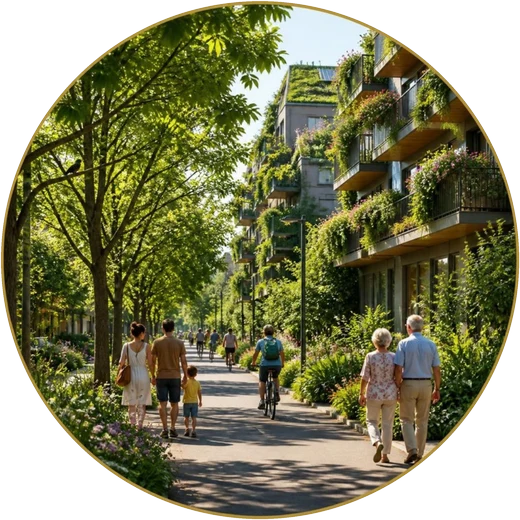
In Toronto, the new neighbourhood of Ookwemin Minising is being built with parks where the streets would be. Its half-mile car-free walk will be shaded by 400 trees, cooling the air and soaking up storm water.

Read more: Good Good Good →
WORLDWIDE

A day without cars

22 September is World Car-Free Day, when towns around the world close streets to traffic and open them to people. In Singapore, neighbourhoods take turns to go car-free until November.

Read more: Honeycombers →
WHAT IS A GREEN ROOF?

A roof planted with grass, flowers or moss. It keeps a building cool in summer and warm in winter, soaks up rain, and feeds bees and birds.

20
EARTH NOTES · SEPTEMBER 2026

Nature Almanac

The month ahead, worldwide

THE MOON (times in UTC)

◑Last quarter4 September07:51
●New moon11 September03:27
◐First quarter18 September20:44
○Full moon: the Harvest Moon26 September16:49

Depending on where you live, a phase may fall on the day before or after.

THE SKY

  • 23 September, 00:05 UTC: the equinox. The Sun rises due east and sets due west everywhere.
  • Evenings: Venus shines brightly in the west after sunset.
  • All night by month’s end: Saturn, heading for its best showing in early October.
  • Before dawn: Jupiter and Mars.
WHY “HARVEST MOON”?

It rises soon after sunset several nights running, giving extra light for the harvest.

21
Nature Almanac

DAYS TO NOTE AROUND THE WORLD

  • 1 SepWattle Day in Australia, celebrating the golden wattle, the national flower, and the first day of spring
  • 7 SepInternational Day of Clean Air for blue skies
  • 11–13 SepRosh Hashanah, the Jewish New Year
  • 16 SepInternational Day for the Preservation of the Ozone Layer
  • 20 SepWorld Cleanup Day
  • 22 SepWorld Rhino Day
  • 23 SepThe equinox
  • 24 SepHeritage Day in South Africa
  • 25 SepThe Mid-Autumn Festival in China, and Chuseok in Korea: harvest festivals under the full moon, when families gather, share food and remember their ancestors
  • 27 SepClocks go forward an hour in New Zealand

ON THE LAND

NORTH

Harvests are gathered in. Leaves turn, fruit ripens and fungi appear.

SOUTH

Spring. Wattle blooms gold in Australia, wildflowers carpet the Cape and birds nest.

LOOKING AHEAD

Clocks go back in Europe on 25 October; in the USA and Canada, on 1 November.

22
EARTH NOTES · SEPTEMBER 2026

Moon & Meadow

Folklore from around the world
CHINA

The lady in the moon

At China’s Mid-Autumn Festival, families gather to look at the full moon and share mooncakes. The old story tells of Chang’e, who drank an elixir and floated up to live on the moon, where a jade rabbit keeps her company.

Read more: China Highlights →
JAPAN

The rabbit with the pestle

In Japan, moon-viewing in autumn is called tsukimi. Where some see a face in the full moon, people in Japan see a rabbit pounding rice cakes.

Read more: Nippon.com →
VIETNAM

Lanterns for the children

In Vietnam the Mid-Autumn Festival, Tết Trung Thu, belongs to children. They parade through the streets at night carrying glowing paper lanterns shaped like stars and carp.

Read more: Vietnam Tourism →
23
Moon & Meadow
JAPAN

Flowers of the equinox

In Japan the week of the autumn equinox is Higan, a time for visiting family graves. Red spider lilies, higanbana, flower at just this time, so faithfully that they are named after it.

Read more: Nippon.com →
MEXICO

The serpent on the steps

At Chichén Itzá in Mexico, as the Sun sets around the equinoxes, light and shadow on the great pyramid’s steps make the shape of a serpent sliding down to the ground: Kukulcán, the feathered serpent. Thousands gather each year to watch it.

Read more: CyArk →
KOREA

Dancing in a ring

On the night of Chuseok in Korea, women join hands and dance in a great circle under the full moon, singing as they turn. The dance, ganggangsullae, is so old that even the meaning of its name is a mystery.

Read more: UNESCO →
OVER TO YOU

Is there a saying, story or custom for September where you live? Write and tell us, and it may appear in a future issue.

24
EARTH NOTES · SEPTEMBER 2026

Hearth & Harvest

Food of the season, worldwide

Round and sweet

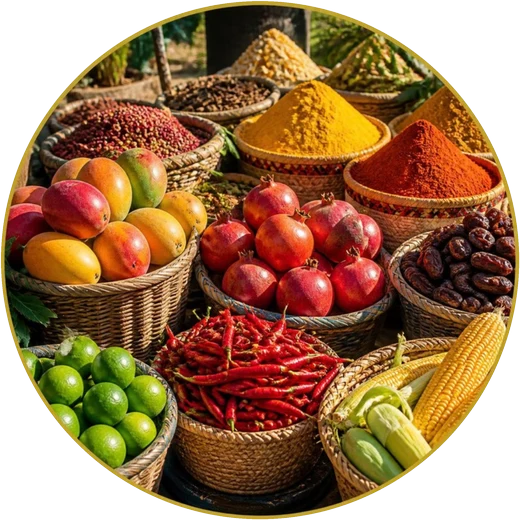
For Rosh Hashanah, apples are dipped in honey and round loaves are baked, in hope of a sweet year ahead. Pomegranates are eaten too, their many seeds standing for a year full of good deeds.

Read more: The Old Farmer’s Almanac →

Half-moon cakes

For Chuseok, Korean families make songpyeon: little half-moon rice cakes, filled with sesame, beans or chestnut and steamed on a bed of pine needles, which gives them a fresh scent.

Read more: Korea’s Ministry of Culture →

Mooncakes

For the Mid-Autumn Festival, families in China share round mooncakes, often filled with lotus seed paste and a salted egg yolk like a little full moon. Round, because a round cake stands for a family gathered together.

Read more: China Highlights →
25
Hearth & Harvest

Honey-baked apples

Serves 4

  • 4 eating apples
  • 2 tbsp honey
  • 2 tbsp chopped nuts or oats
  • A handful of raisins
  • A pinch of cinnamon
  • A knob of butter
  1. Heat the oven to 180°C (160°C fan), 350°F.
  2. Core the apples and score a line around each one’s middle so the skin doesn’t burst.
  3. Mix the nuts, raisins, cinnamon and half the honey, and pack into the apples.
  4. Stand them in a dish, dot with butter, drizzle with the rest of the honey and add a splash of water.
  5. Bake for 30 to 40 minutes, until soft. Serve warm.

IN SEASON NOW

NORTH

Apples, pears, plums, blackberries, squash and the last of the sweetcorn.

SOUTH

Asparagus, broad beans, spring greens, and the first strawberries in warmer places.

MAKE IT YOUR OWN

Serve warm with yoghurt, cream or custard. Pears work just as well as apples, and you can swap the raisins for dates or dried apricots, or the honey for maple syrup. Children can help to mix and fill.

26
EARTH NOTES · SEPTEMBER 2026

Root & Branch

This month’s fact sheet

The equinox explained

JUNE SOLSTICE DECEMBER SOLSTICE SEPTEMBEREQUINOX MARCHEQUINOX
The Earth’s tilt always points the same way in space. At the equinoxes it leans neither towards the Sun nor away from it. (Not to scale.)
  1. A tilted Earth. The Earth spins on an axis tilted by about 23.4 degrees. As it travels round the Sun, first the north and then the south leans towards the Sun, and that gives us the seasons, not our distance from the Sun.
  2. Two balance points. Twice a year the tilt is side-on to the Sun, and the Sun sits directly over the equator. These are the equinoxes, around 20 March and 22 or 23 September.
27
Root & Branch
  1. “Equal night”. The word comes from Latin: aequus, equal, and nox, night. Day and night are close to twelve hours each, everywhere on Earth.
  2. Not quite equal. In fact the day is a little longer than the night at the equinox, because the air bends sunlight over the horizon and because sunrise is counted from the Sun’s top edge, not its middle.
  3. Due east, due west. On the equinox the Sun rises due east and sets due west, wherever you are. A good day to find east and west from your window.
  4. Opposite seasons. The September equinox starts autumn in the north and spring in the south. In March it is the other way round.
  5. Fast-changing days. Around the equinoxes, the length of the day changes fastest of all the year.
  6. No shadow at noon. At midday on the equinox, the Sun stands straight overhead at the equator, so an upright stick there casts almost no shadow at all. Near Quito, in Ecuador, crowds gather on the equator to see it.
TRY THIS

On the equinox, mark where the Sun sets against a tree or roof. Look again in a month: how far has it moved? And remember, on the equinox day and night are about twelve hours each, from Oslo to Melbourne.

28
Root & Branch

Myths and marvels

  1. The egg myth. People say you can only stand an egg on its end at the equinox. In fact, with a steady hand and some patience, you can balance one on any day of the year.
  2. A moving date. A year is about 365 and a quarter days long, so the equinox comes about six hours later each year, and every leap year pulls it back again. That is why it lands on 22 or 23 September.
  3. The real equal day. The day when daylight and darkness are truly equal is called the equilux. In the north it comes a few days after the September equinox; in the south, a few days before.
  4. Sunset at the Pole. Around the September equinox the Sun sets at the North Pole and does not rise again for six months. At the South Pole, six months of daylight begin.
  5. Racing round the Sun. The Earth travels round the Sun at about 30 kilometres a second, over 100,000 kilometres an hour.
  6. Equinoxes on other worlds. Every planet with a tilt has equinoxes. On Saturn they come about every 15 years, when its rings turn edge-on to the Sun and almost vanish from view. The last was in May 2025.
TRY THIS

Mark a stick’s midday shadow each week. Watch it move.

29
Root & Branch

Test yourself

Nine questions on this month’s fact sheet. The answers are upside down below.

  1. By about how many degrees is the Earth tilted?
  2. What does the word “equinox” mean?
  3. On the equinox, in which direction does the Sun rise?
  4. Which season does the September equinox begin in the southern hemisphere?
  5. What is the name for the day when daylight and darkness are truly equal?
  6. Which planet’s rings seem to vanish at its equinox?
  7. In which month is the other equinox?
  8. About how fast does the Earth travel round the Sun?
  9. In which direction does the Sun set on the equinox?
EACH MONTH

Root & Branch takes one subject from the season and explains it from the roots up, so that over the year the fact sheets build into a picture of how the Earth works. Next month: how the Moon makes the tides.

ANSWERS
1. About 23.4 degrees. 2. Equal night. 3. Due east. 4. Spring. 5. The equilux. 6. Saturn’s. 7. March. 8. About 30 kilometres a second. 9. Due west.
30
EARTH NOTES · SEPTEMBER 2026

Lend a Hand

Things you can do

Clean a beach or a river bank

September is clean-up month. World Cleanup Day, on 20 September, brings people out in almost every country, and in the UK and Northern Ireland the Marine Conservation Society’s Great British Beach Clean runs from 18 to 27 September. The litter you record helps change the law.

Read more: World Cleanup Day →

Leave a wild corner

Let one patch of garden grow long through autumn and winter. Seed heads feed birds, and hollow stems shelter insects until spring. A log pile in a quiet spot makes a winter home for beetles, frogs and other small creatures.

Read more: Royal Horticultural Society →
RECORD WHAT YOU SEE

Your sightings help scientists track the seasons. Try a recording app such as iNaturalist, or, in the UK, the Woodland Trust’s Nature’s Calendar.

31
EARTH NOTES · SEPTEMBER 2026

Over to You

Your letters, sayings and sightings

This page belongs to you: the letters, sayings, sightings and photographs you send in, wherever you are. Each month we share the best of them here, so the newsletter grows from all corners of the world.

THIS MONTH WE’D LOVE TO HEAR:

What does the equinox look like where you live? First leaves turning, or first blossom opening?

AND PLEASE TELL US:

Which sections would you like more of, and which could go? Each issue will carry one extra article on what you ask for most.

Write to us at hello@plumtreepublishing.store. Say where you are, and if we may use your first name. Photographs are welcome too: tell us where and when you took them.

32
EARTH NOTES · SEPTEMBER 2026

Sources & Resources

Where it came from, and more to explore
NEWS

Kenya bongo plan: fundsforNGOs News, 30 Sep 2026. Thirty by thirty: Campaign for Nature and Together for the Ocean, 30x30 Global Assessment, 23 Sep 2026. Tilcayo tiger cat: Current Biology, via CBS News, 18 Sep 2026. China solar: Reuters. India clean power: Reuters, Aug 2026. Africa solar and panel prices: Ember, Financial Times. Wind farm recycling: goodgreen.news. Toronto: Good Good Good. Indonesia peat agency: Xinhua, 26 Sep 2026. Leyte trees: Daily Tribune, 30 Sep 2026. Marinette County: Resilience, 28 Sep 2026. Mexico turtles: Good Good Good. Europe heatwave solar: Grist. Sand battery: CNBC. Car-free Singapore: Honeycombers. River turtles: Mongabay. Plug-in solar: Energy Saving Trust. Balcony solar: Canary Media. Solar farms and wildlife: Good Good Good, EcoPortal. Emblehope Moor: The Guardian. 9/11 trees: One Tree Planted. Kākāpō: NZ Department of Conservation. Black bears: Good Good Good. High Seas Treaty: High Seas Alliance, 23 Sep 2026. Klamath salmon: Inside Climate News. Beach bags: Marine Conservation Society. Mushroom coffin: The Guardian, 7 Sep 2026. Spain’s marine areas: Oceana Europe. Blue Creek: Mongabay via Resilience, 29 Sep 2026. Tiger: Global Rewilding Alliance. Palmyra reefs: NPR / KPBS, 18–23 Sep 2026. Devil flower: PhytoKeys, via ScienceDaily, Sep 2026.

FACTS AND DATES

Soil: UN Food and Agriculture Organization (fao.org). Peat: UN Environment Programme. Fresh water: US Geological Survey (usgs.gov). Clean-up dates: United Nations and Marine Conservation Society. Rosh Hashanah: almanac.com. Chuseok: chinahighlights.com. Moon, Sun and planets: worked out from NASA JPL data.

MORE TO EXPLORE

iNaturalist (inaturalist.org) · Nature’s Calendar (naturescalendar.woodlandtrust.org.uk) · Marine Conservation Society (mcsuk.org) · World Cleanup Day (worldcleanupday.org)

PICTURES All pictures made for Earth Notes with Canva.
33
YEAR ONE BEGINS

November 2026

Issue 1 of Earth Notes. The whole year comes with every 2026/27 Nature’s Year journal, or with The Nature’s Year Circle.

Find the word printed beside the QR code in your journal, then enter it on your journal’s page at plumtreepublishing.store.

PLUMTREE PUBLISHING
hello@plumtreepublishing.store
YEAR ONE · NOVEMBER 2026 TO NOVEMBER 2027

One feature every month

Thirteen issues in our launch year. Every issue carries all fifteen sections. Each month one of them becomes the feature, with extra pages, working through the sections in order.

  1. NOV 2026Green ShootsGreening the Earth
  2. DEC 2026Wild TidingsWildlife on the move
  3. JAN 2027Ebb & FlowSeas, rivers, ice and rain
  4. FEB 2027Bloom & SporePlants and fungi
  5. MAR 2027Stone & SoilThe land beneath our feet
  6. APR 2027Wind & WeatherSkies, seasons and climate
  7. MAY 2027Sun, Wind & WaveClean power from nature
  1. JUN 2027Home & HabitatTowns and homes with room for nature
  2. JUL 2027Nature AlmanacThe month ahead, worldwide
  3. AUG 2027Moon & MeadowFolklore from around the world
  4. SEP 2027Hearth & HarvestFood of the season, worldwide
  5. OCT 2027Lend a HandThings you can do
  6. NOV 2027Root & BranchThis month’s fact sheet
WHAT IS EARTH NOTES?

Good news for nature, every month

Earth Notes is a monthly nature newsletter for the whole world, north and south. It opens like a little book, with good news for nature from every continent, wildlife on the move, seas and rivers, plants and fungi, clean energy, greener towns, an almanac for the month ahead, folklore, seasonal food and a fact sheet.

  • Sent on the first of every monthNews from the month just gone, and an almanac for the month ahead.
  • Every story has its sourceA link under each one, so you can read more.
  • All newNothing in Earth Notes repeats what is in the journals.
TWO WAYS TO READ EARTH NOTES

Earth Notes, November 2026 to November 2027

Earth Notes comes in yearly editions, just like the journals. Year one is our launch year, with thirteen issues from November 2026 to November 2027, and there are two ways to read it:

  • Buy any Nature’s Year journal. Every 2026/27 journal comes with our Earth Notes good-news newsletter included, from November 2026 to November 2027: all thirteen issues, including any that came out before you bought your journal.
  • Join The Nature’s Year Circle, with or without a journal. You will receive every issue of Earth Notes for the current year, plus exclusive news, images and printables and an archive of every past issue, just for Circle members.

Either way, every issue of the year is yours to read here, even the ones that came out before you joined.

Any one of these journals opens year one
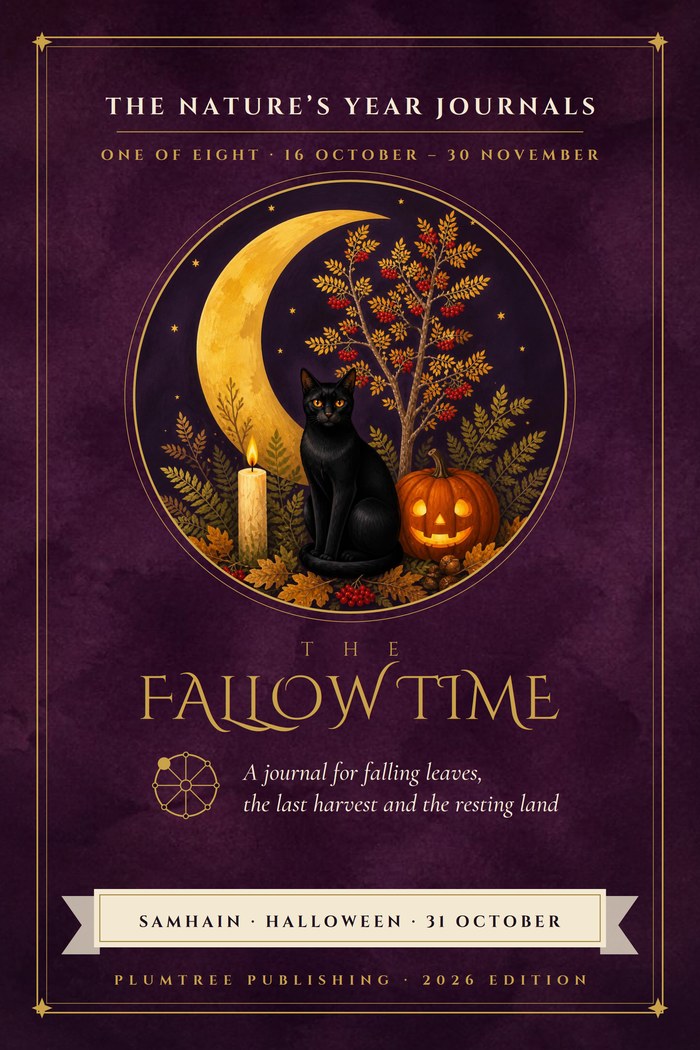
  1. The Fallow TimeThe Fallow Time2026/27 edition
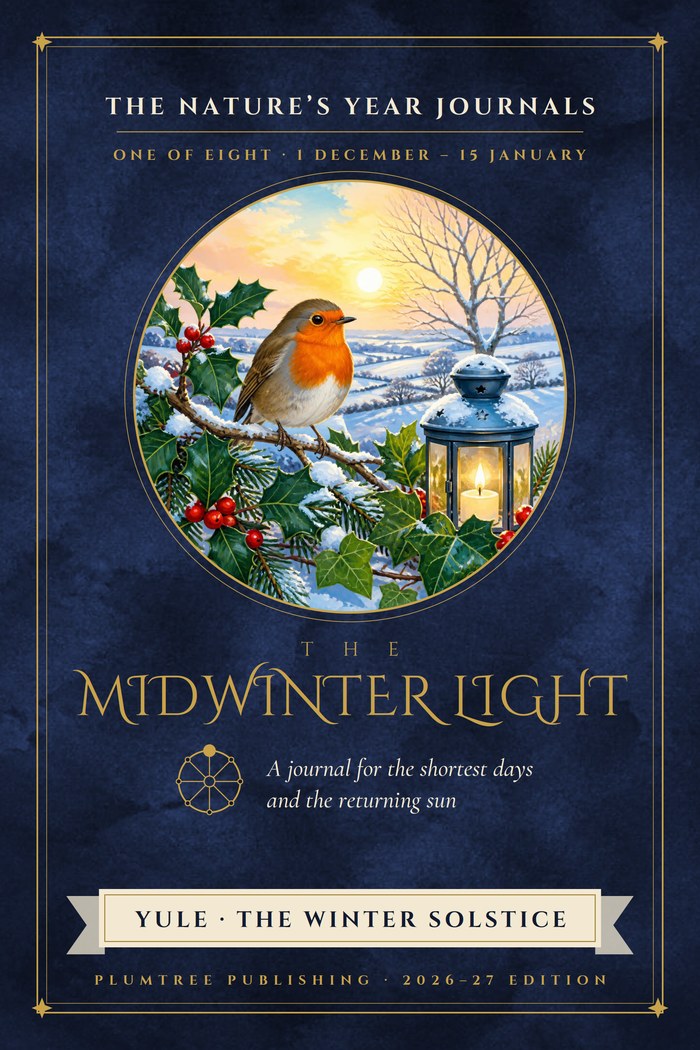
  2. The Midwinter LightThe Midwinter Light2026/27 edition
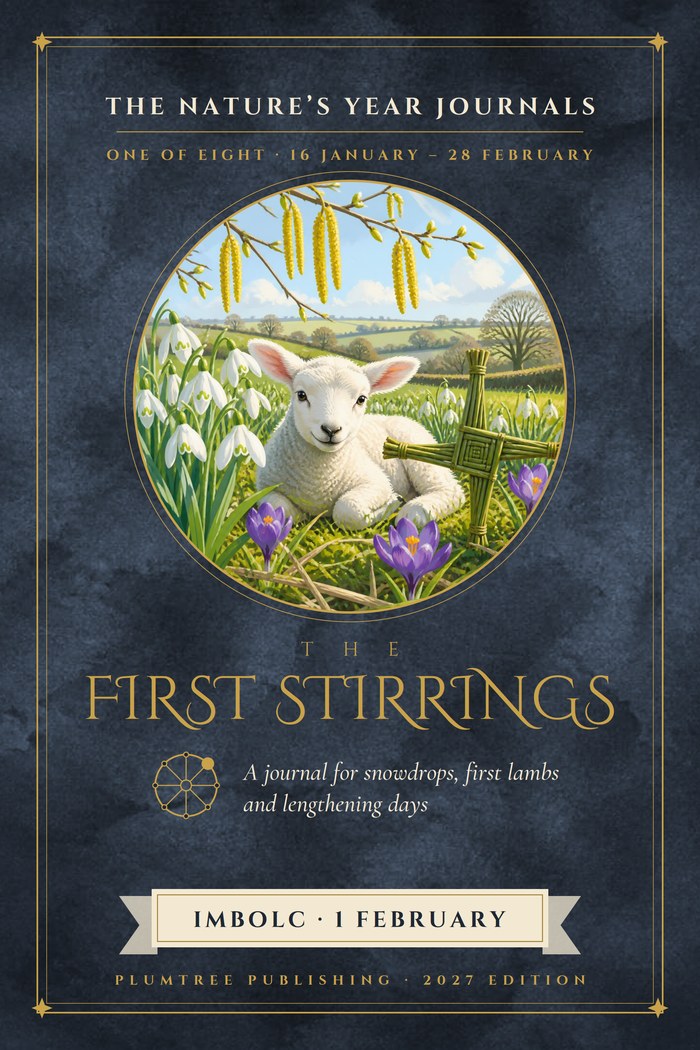
  3. The First StirringsThe First Stirrings2026/27 edition
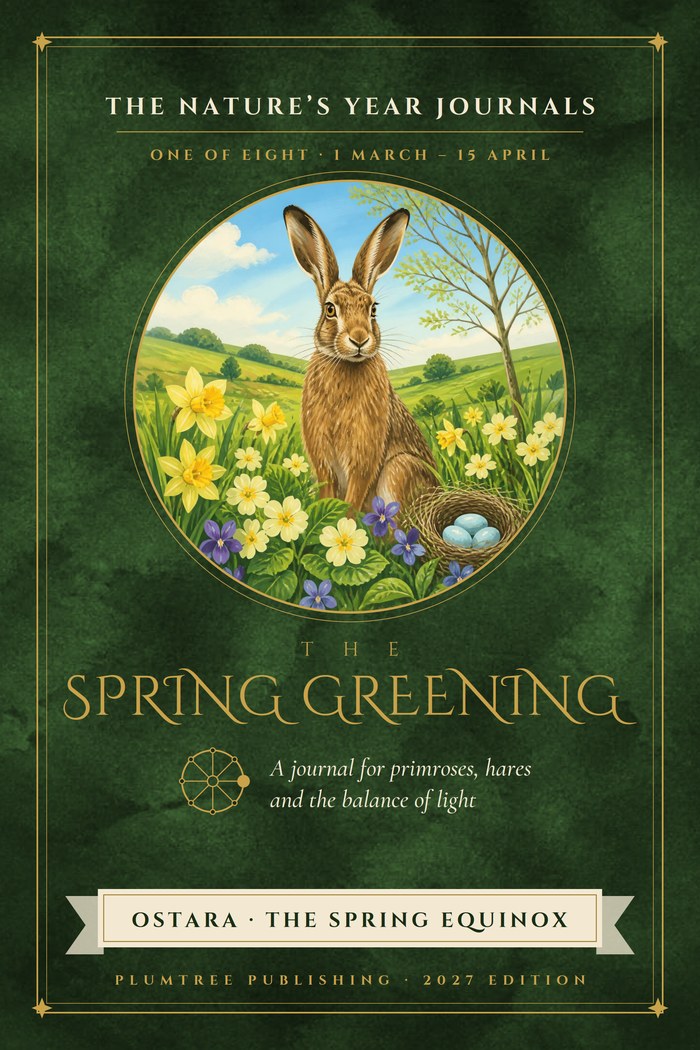
  4. The Spring GreeningThe Spring Greening2026/27 edition
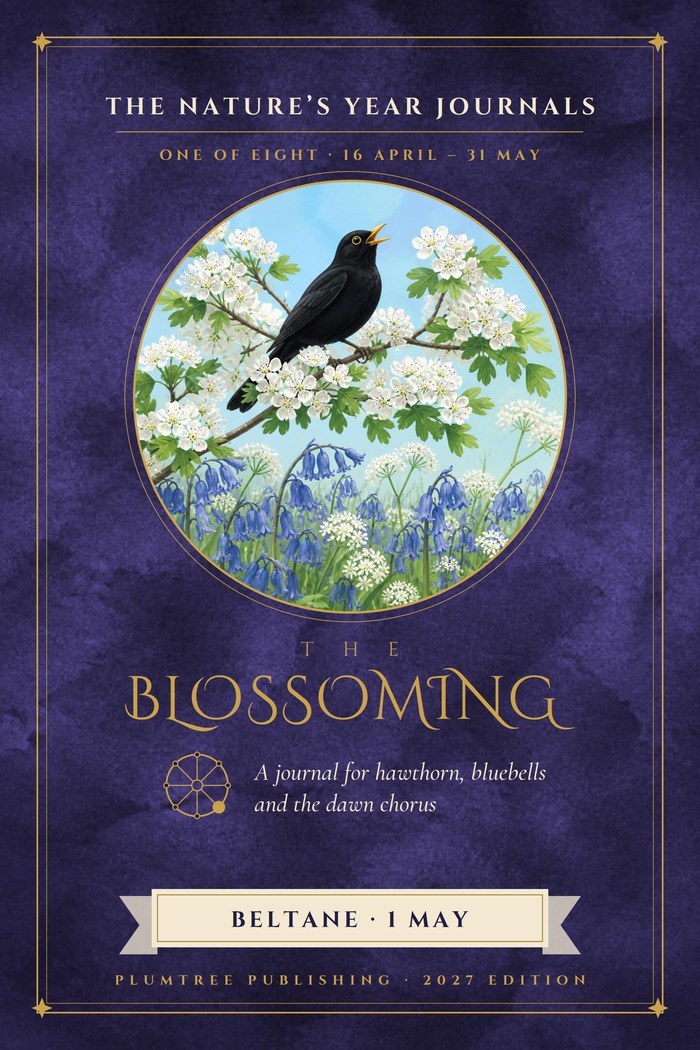
  5. The BlossomingThe Blossoming2026/27 edition
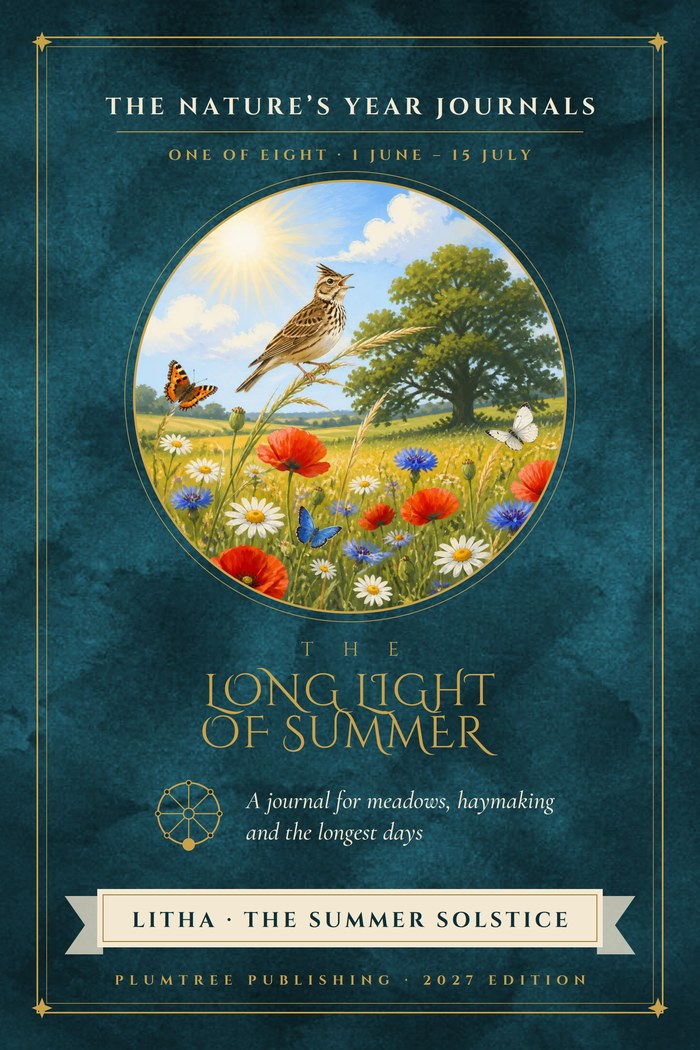
  6. The Long Light of SummerThe Long Light of Summer2026/27 edition
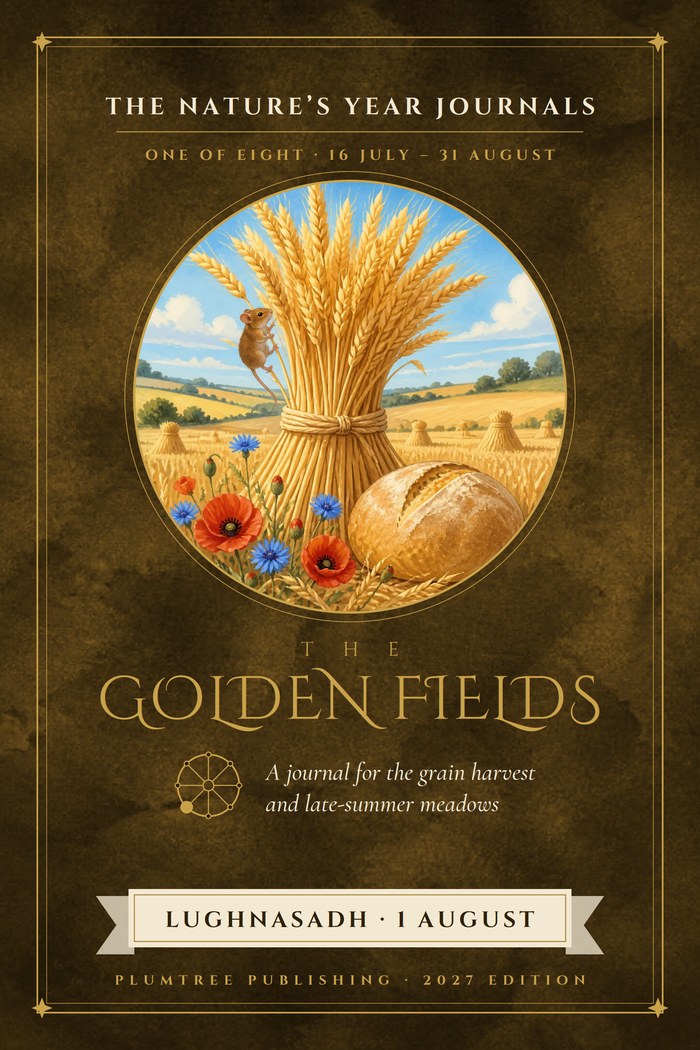
  7. The Golden FieldsThe Golden Fields2026/27 edition
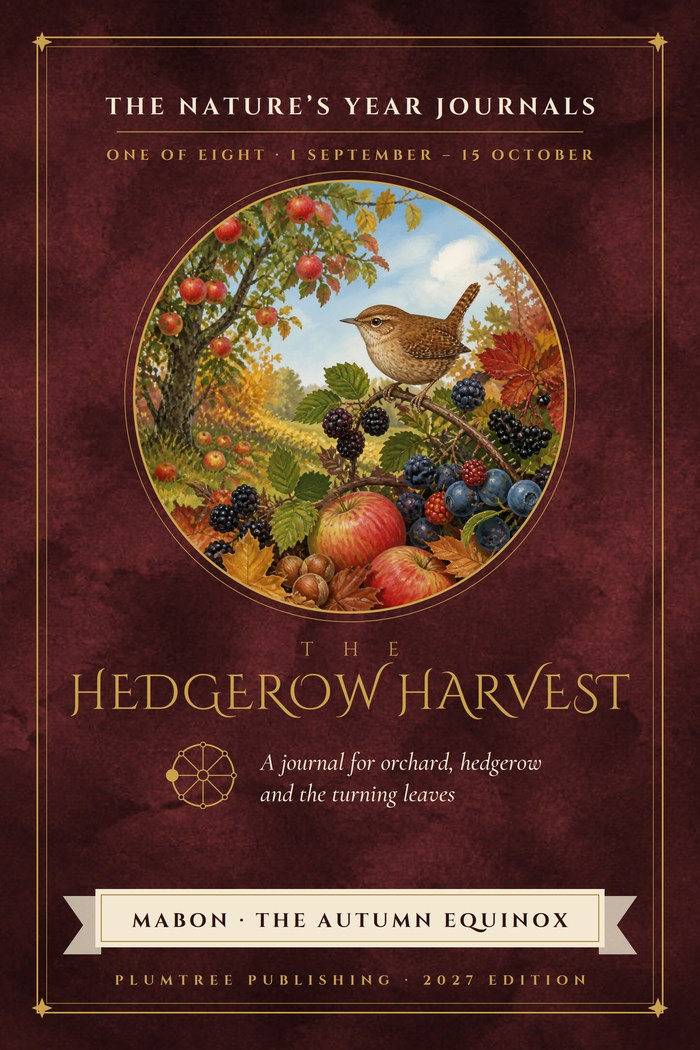
  8. The Hedgerow HarvestThe Hedgerow Harvest2026/27 edition

How to claim your Earth Notes

  1. 1Buy any Nature’s Year journal.
  2. 2Find the word printed beside the QR code near the back of your journal.
  3. 3Enter it on your journal’s page on this website.

THE NATURE’S YEAR JOURNALS → MEMBERS’ LOG IN → QUESTIONS & ANSWERS ↓

NO JOURNAL? NO PROBLEM

The Nature’s Year Circle

Join with or without a journal. The Circle is open to everyone.

  • Every issue of Earth Notes for the current year
  • Exclusive news, only for Circle members
  • Exclusive images, only for Circle members
  • Exclusive printables, only for Circle members
  • The members’ archive of every past issue

£30 a year · JOIN THE CIRCLE →

OVER TO YOU

Your news, your sightings

Seen some good news for nature where you live, or a saying or custom from your part of the world? Write to us at hello@plumtreepublishing.store and it may appear in Earth Notes.
We use your email address only to send you our news and we never sell it. Unsubscribe at any time.

EARTH NOTES

Questions and answers

Is Earth Notes the same wherever I live?

Yes. It is written for the whole world, north and south, with news from every continent and an almanac for both hemispheres.

When does it arrive?

On the 1st of every month, by email. Each issue is named for the month it arrives in, and brings the news from the month just gone with an almanac for the month ahead.

How do I get it?

Buy any Nature’s Year journal, or join The Nature’s Year Circle. If you have a journal, find the word printed beside the QR code near the back and enter it on your journal’s page on this website.

Which issues do I get?

Every issue of that year’s Earth Notes. Year one is our launch year, with thirteen issues from November 2026 to November 2027, and goes with the 2026/27 journals. From then on, each year runs from December to November. Join part-way through and you can still read the issues you missed, here on the website.

How long is each issue?

Earth Notes grows and shrinks with the news. Some months bring a slimmer issue, some a fuller one, but every issue carries all fifteen sections and a feature.

I have more than one journal. Do I get more?

Every journal from the same year opens the same year of Earth Notes, so one journal is all you need. Next year’s journals will come with next year’s Earth Notes.

Why does the Earth on the cover look different each month?

It shows the Earth as the Sun lights it that month. At the equinoxes in March and September, day and night divide it evenly. Towards December the north tips into darkness, and towards June the south does.

Does Earth Notes repeat what is in the journals?

No. Everything in Earth Notes is new, so the journals and the newsletter never overlap.

What happens when the year ends?

Each new year of Earth Notes comes with that year’s journals, or with Circle membership, which renews each year.

Can I read Earth Notes without buying a journal?

Yes. Anyone can join The Nature’s Year Circle, our paid membership, with or without a journal. It is £30 a year.

Is this the same as Plumtree News?

No. Plumtree News is our free letter about new books, open to everyone. Earth Notes is the monthly nature newsletter for our journal readers and Circle members.

Can I print Earth Notes?

Earth Notes is made for reading on screen, on a phone, tablet or computer, so the issues don’t print. Printables are different: they are made for printing at home.

Can I send in news or sightings?

Please do. Write to hello@plumtreepublishing.store, say where you are, and tell us if we may use your first name.

Can I stop it at any time?

Yes. Every email has an unsubscribe link at the bottom. We use your email address only to send you our news and we never sell it.

Another question? Write to hello@plumtreepublishing.store